

What Is The Spousal Elective Share Rule In Florida?
State law in Florida prohibits people from disinheriting their spouse.  The spousal elective share in Florida gives the surviving spouse the right to claim a certain percentage of the deceased spouse’s elective estate if the surviving spouse received less than that. Surviving spouses are entitled to this share regardless of what is written in a will or trust. If you are married or are about to be, it is important that you understand the elective share rule and how it can impact you and your spouse’s estate plans.
How Much is the Elective Share? 
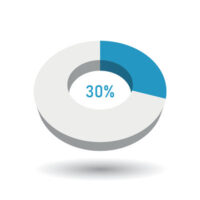
The Florida Statutes state that surviving spouses are entitled to 30 percent of the deceased spouse’s elective estate. Of course, people can choose to leave more than this amount to their spouse. When someone passes away and they did not draft an estate plan, the intestacy laws in Florida allow surviving spouses to receive more than 30 percent of the estate depending on the family dynamics. In these cases, surviving spouses may receive the entire estate or half of it, depending on whether they have children.
A person’s ‘augmented estate’ refers to all of their property, and not just the assets that are subject to probate. These assets may include:
- Interest in a homestead property
- Any accounts and securities that are registered as transfer-on-death or payable-on-death
- Assets in a revocable trust
- Benefits from a pension or retirement fund
Does the Spousal Elective Share Have Priority? 
The elective share is calculated after claims against the estate are settled. For example, if the decedent had outstanding debts, such as a mortgage or credit card debt, lenders and creditors have a certain amount of time to file a claim against the estate. The elective share is only calculated once these claims and expenses have been resolved. However, while the spousal elective share does not take priority over creditor claims, it does take priority over shares to other beneficiaries.
How Does Separation or Divorce Impact the Spousal Elective Share 
Florida does not recognize legal separation. Still, in the event that the spouses have separated or are estranged, the elective share rule still applies. The elective share rule also applies if a couple is in the process of getting divorced when one spouse passes away. The only way the elective share does not apply is if the marriage has been legally dissolved prior to the death of one spouse.
Waiving Elective Share Rights 
While state law provides spouses with many rights, a person may choose to waive these rights. For example, spouses may both have children from a previous marriage who they want to receive the bulk of the estate upon their death. This is most often done through a prenuptial or postnuptial agreement.
Our Estate Planning Attorneys in St. Petersburg Can Advise On Your Case 
There are many things to consider when planning your estate and ensuring that your loved ones are cared for. At Legacy Protection Lawyers, LLP, our St. Petersburg estate planning attorneys can provide the legal advice you need and execute the documents that align with your goals so your wishes are fulfilled. Call us today at 727-471-5868 or contact us online to schedule a consultation and to learn more about how we can help.
Source:
leg.state.fl.us/Statutes/index.cfm?App_mode=Display_Statute&Search_String=&URL=0700-0799/0732/0732PARTIIContentsIndex.html
